

Securing cross-platform mobile apps requires a layered approach that includes strong authentication, data encryption, API security, dependency management, and continuous security testing.
Modern businesses are rapidly adopting cross platform development to deliver seamless experiences across Android and iOS without doubling costs. Whether you’re building fintech apps in India, eCommerce platforms in the US, or healthcare apps in Europe, the speed and efficiency of cross platform frameworks are hard to ignore. But with this flexibility comes a complex security landscape that many teams underestimate.
Benefits:
- Businesses increasingly rely on mobile application development
- Popular mobile app development frameworks reduce time-to-market
- According to the Verizon Mobile Security Index (2023) mobile-targeted attacks continue to rise globally.
Risks:
- Shared codebases introduce hidden vulnerabilities
Why Cross-Platform Mobile Apps Are High-Risk Targets for Businesses
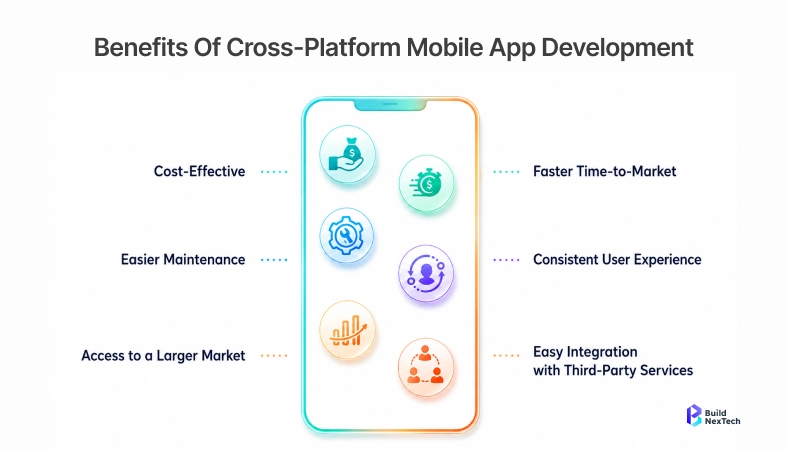
Cross-platform mobile apps are often seen as high-risk targets because a single weakness can affect multiple platforms at once. Since these apps rely on shared codebases, third-party libraries, and abstraction layers, one vulnerability can expose both Android and iOS users. Issues like outdated plugins, difficulty in code obfuscation, and heavy dependence on external components make it easier for attackers to analyze the app and find entry points.
Another major concern is how data is stored and transmitted. Many cross-platform apps use less secure local storage and depend heavily on APIs, which, if misconfigured, can lead to data breaches. Delays in security updates from frameworks, excessive permissions requested by plugins, and challenges in meeting strict compliance standards like GDPR or HIPAA further increase the risk, making strong security practices essential from the start.
Real-World Mobile App Breaches and Attack Scenarios
Real-world mobile app breaches usually happen due to weak APIs, poor encryption, or insecure integrations. Many apps expose sensitive data because basic security practices are missed, making them easy targets for attackers.
- Insecure APIs (e.g., T-Mobile 2023 breach exposing data of 37 million customers – source
- Weak authorization (BOLA issues allowing unauthorized data access)
- Poor encryption or hardcoded keys (e.g., apps storing data insecurely)
- Third-party vulnerabilities (breaches through vendors or SDKs)
- Malware or fake apps stealing user data
These incidents show that even small security gaps can lead to large-scale breaches. Strong API security, proper encryption, and regular updates are essential to protect user data and prevent such attacks.
How Cross-Platform Architecture Expands the Attack Surface
Cross-platform architecture increases the attack surface by connecting cloud, on-premise, and edge systems into one ecosystem. While this improves scalability, it also creates more entry points for attackers. With multiple components and APIs working together, maintaining consistent security becomes harder and vulnerabilities can go unnoticed.
The risk grows with the rise of APIs, which are often misconfigured and expose backend systems. Reliance on third-party tools adds supply chain risks, and cloud environments can lead to misconfigurations if not managed properly.
Common Security Mistakes That Lead to Data Breaches
Many mobile apps don’t get breached because of highly advanced attacks—they fail due to simple, avoidable mistakes during development and deployment. In cross-platform environments, these issues become even more critical because one flaw can impact multiple platforms at once.
- Storing sensitive data (passwords, tokens, PII) without encryption or proper secure storage.
- Using weak authentication methods and not implementing MFA or proper session handling.
- Poorly secured APIs without validation, leading to unauthorized access and data exposure.
- Hardcoding API keys, credentials, or encryption keys directly into the app code
- Skipping regular security testing and not using proper security testing tools.
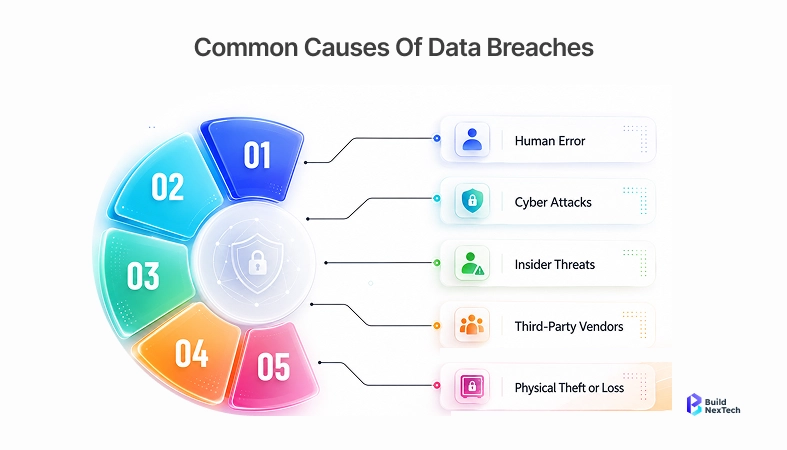
Avoiding these mistakes requires a proactive approach to data protection and data security. By following secure coding practices, regularly testing applications, and implementing strong authentication and encryption methods, businesses can significantly reduce the risk of breaches and build more resilient mobile applications.
Core Security Risks in Cross-Platform Mobile Applications
The most common security risks in cross-platform mobile applications each have corresponding mitigation strategies that should be implemented during development.
Key Security Risks in Cross-Platform Applications:
- Insecure data storage (credentials or tokens stored without encryption)
- Weak API security leading to unauthorized access or data manipulation
- Poor authentication and session management
- Insecure communication without proper SSL/TLS encryption (MITM risks)
- Vulnerable third-party plugins or outdated dependencies
These risks show how easily attackers can exploit gaps if security is not handled properly.
Mitigation Strategies:
- Use secure storage like iOS Keychain and Android Keystore
- Encrypt all data in transit using modern TLS protocols
- Regularly audit and update third-party libraries
- Avoid hardcoding sensitive keys or credentials
- Implement strong authentication and detect rooted/jailbroken devices
Each of these risks can be mitigated with the right controls, but in practice, API security and secure storage remain the most commonly exploited gaps in cross-platform applications.
In BNXT.ai’s cross-platform security assessments, one of the most common issues identified is weak API authentication. Many mobile apps pass JWT tokens without proper expiration validation, allowing inactive or test tokens to remain usable in production environments, leading to unauthorized access.
Platform-Specific Vulnerabilities in Android and iOS
Platform-specific vulnerabilities in Android and iOS can create security gaps even in cross-platform apps. Android’s open ecosystem makes it more flexible but also more exposed to risks like malware, APK reverse engineering, and misuse of permissions. In contrast, iOS has stricter controls, but issues like jailbreak exploits or misconfigured security settings can still lead to vulnerabilities if not handled properly.
These differences mean developers cannot rely on a single approach to security. Each platform requires its own safeguards, such as proper use of secure storage, permission handling, and native APIs.
Third-Party SDK and Dependency Exploits
Third-party SDKs are commonly used in cross platform tools to speed up development, but they can introduce serious security risks if not handled carefully. Many apps depend on external libraries for features, and if these components are outdated or unverified, they can become easy entry points for attackers.
- Outdated libraries may contain known vulnerabilities
- Unverified plugins can introduce malicious code
- Supply chain attacks are becoming more common
- Lack of regular updates creates security gaps
- Dependency audits are often ignored
An outdated or unverified dependency with known vulnerabilities can bypass all other security controls, making regular dependency audits essential in every release cycle.
Data Exposure Through Insecure Storage and Logging
Sensitive data stored in Android SharedPreferences or iOS NSUserDefaults can be accessed on compromised devices. Instead, developers should use Android Keystore or iOS Keychain. Logging frameworks must also avoid storing PII in production logs.
Priority-Based Security Implementation for Mobile Apps
A priority-based strategy follows industry practices by focusing on what matters most—data protection, identity security, and threat prevention.
High Priority: Data Security
Encrypt data at rest using secure storage and protect data in transit with TLS and certificate pinning.
Medium Priority: Access Control
Use MFA, manage sessions carefully, and follow least privilege access.
Layered Security Approach
Apply techniques like code obfuscation, RASP, and dependency updates.
Continuous Testing and Monitoring
Use SAST, DAST, and penetration testing to detect vulnerabilities early.
This prioritization helps teams focus on high-impact risks first without slowing down application performance.
Securing Authentication with MFA and Token-Based Systems
Authentication is the first barrier against unauthorized access, and relying only on passwords is no longer enough. Implementing multi-factor authentication (MFA) adds an extra layer of security by combining passwords with OTPs or biometrics. Token-based systems like JWT also help manage user sessions securely across devices.
To strengthen authentication further, tokens should be stored securely and sessions must be properly managed to prevent hijacking. Monitoring login attempts and detecting unusual activity can help identify threats early, ensuring that only authorized users gain access to the system.
Implementing Data Encryption and Secure Storage First
Protecting sensitive data is essential in any mobile application. Using mobile encryption and end-to-end encryption ensures that user information remains secure both during storage and transmission. Encrypting data at rest and in transit helps prevent unauthorized access, even if the system is compromised.
In addition, secure key management and avoiding unnecessary data storage play a key role in reducing risks. By handling data carefully and limiting exposure, businesses can significantly improve data security and protect user privacy.
Protecting APIs and Backend Services as a Critical Layer
APIs are a crucial part of mobile API integration, acting as the bridge between the app and backend services. If not secured properly, they can become easy targets for attackers. Following API integration best practices, such as using strong authentication and input validation, helps reduce vulnerabilities.
Implementing rate limiting and continuously monitoring API activity further strengthens protection. These measures ensure safe cross platform API integration and help maintain the integrity of backend systems while preventing unauthorized access.
Advanced Mobile App Security Techniques and Controls
Advanced mobile app security goes beyond basic protection and focuses on a layered approach to defend against evolving threats. By following standards like OWASP MASVS, businesses can secure applications using strong encryption, secure communication protocols, and advanced authentication methods such as biometrics and MFA.
To strengthen security further, developers should focus on protecting code, data, and backend systems while ensuring real-time threat detection.
- Code Security: Use obfuscation tools like ProGuard to prevent reverse engineering and detect tampering
- Device Security: Implement root and jailbreak detection to block unsafe environments
- Data Protection: Use secure storage like Android Keystore or iOS Keychain and encrypt all sensitive data
- API Security: Avoid hardcoding keys, validate inputs, and apply rate limiting
- Continuous Monitoring: Perform regular penetration testing and use RASP for real-time threat detection
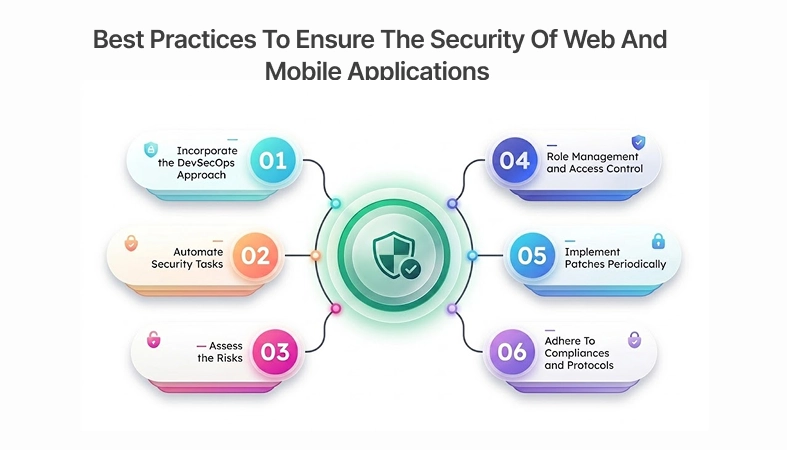
These controls are most effective when implemented together as part of a layered security strategy rather than in isolation.
API Security, Input Validation, and Threat Mitigation
APIs are one of the most targeted components in mobile apps, so they must be secured properly. Using secure API integration methods and validating all incoming data helps prevent unauthorized access and reduces exposure to threats. Strong validation ensures that only expected and safe inputs are processed by the system.
To further protect APIs, developers should prevent attacks like SQL injection and XSS, monitor API traffic for unusual patterns, and implement firewalls. These practices help detect and block threats early, making the application more resilient and secure.
Application Hardening and Runtime Protection (RASP)
Application hardening focuses on protecting the app from reverse engineering and tampering. Techniques like code obfuscation make it difficult for attackers to understand the app’s logic, while additional protections ensure that sensitive parts of the application remain secure.
RASP adds another layer by detecting threats in real time, such as attempts to modify the app or run it in unsafe environments. By monitoring suspicious activity and preventing unauthorized changes, these measures provide strong protection against advanced attacks.
Secure Session Management and Access Control (RBAC)
Managing user sessions and access permissions is essential for maintaining security. Implementing role-based access control (RBAC) ensures that users can only access features relevant to their roles, reducing the risk of misuse or unauthorized actions.
Using secure session tokens, monitoring session activity, and preventing privilege escalation further strengthen security. Regular audits of permissions help identify and fix potential gaps, ensuring consistent and reliable access control across the application.
Compliance, Monitoring, and Continuous Security Strategy
Continuous compliance and monitoring focus on a proactive approach where security is tracked in real time instead of relying on periodic audits. By using automated tools, businesses can monitor user activity, system changes, and data access continuously, helping them quickly identify vulnerabilities and stay aligned with standards like SOC 2 or ISO 27001.
Teams evaluating mobile app security services should prioritise providers with proven expertise in API security solutions, mobile data encryption, and continuous app security testing across both Android and iOS platforms.
Key Components of a Continuous Security Strategy
- Automation and Centralized Dashboards: Use tools to continuously scan systems, track changes, and view compliance status in real time
- Asset Management and Data Security: Maintain an updated inventory of IT assets and ensure strong protection of sensitive data
- Real-Time Threat Detection: Use monitoring systems to detect unusual activity and potential security breaches instantly
- Policy and Access Management: Regularly review user access and enforce security policies consistently
These components help organizations maintain visibility and control over their security environment at all times.
GDPR, HIPAA, and PCI DSS Compliance Requirements
Compliance standards vary across industries and regions, and businesses must follow the ones relevant to their operations. Regulations like GDPR focus on data privacy, HIPAA protects healthcare information, and PCI DSS ensures secure payment processing. In regions like India and Asia, additional local regulations also play an important role.
Regular compliance checks help ensure that applications meet these standards consistently. Following these guidelines not only avoids legal risks but also builds trust with users by ensuring ethical and secure handling of sensitive data.
Security Testing, Penetration Testing, and Audits
Security testing, penetration testing, and audits together form a complete approach to identifying and fixing vulnerabilities in applications. Security testing focuses on finding potential weaknesses, while penetration testing goes a step further by simulating real-world attacks to see how those weaknesses can be exploited.
- Security Testing: Identifies vulnerabilities through methods like scanning and risk assessment
- Penetration Testing: Simulates real attacks (ethical hacking) to uncover exploitable weaknesses
- Security Audits: Reviews systems against standards like ISO 27001, PCI DSS, HIPAA, and GDPR
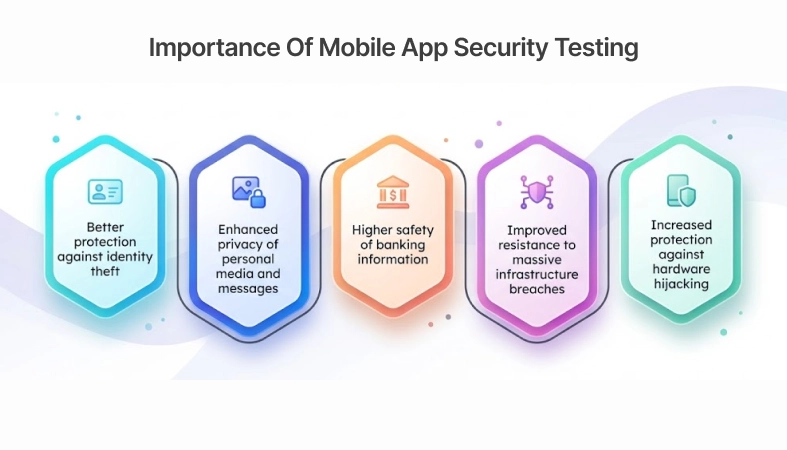
Together, these practices help organizations strengthen their security posture, validate defenses, and protect sensitive data more effectively.
Real-Time Threat Detection and Continuous Monitoring
Real-time monitoring allows businesses to detect and respond to threats as they happen. By using advanced monitoring tools, organizations can quickly identify unusual patterns or suspicious activities that may indicate potential attacks.
Tracking user activity and continuously updating security systems helps maintain strong protection against evolving threats. This proactive approach ensures that issues are addressed early, reducing the risk of large-scale security incidents.
Conclusion: Strengthening Cross-Platform Mobile App Security with BNXT.ai
Securing a cross platform application is not just about adding a few security features it requires a complete, layered strategy that protects every part of the system, from authentication to secure API integration. Businesses today must combine strong encryption, secure coding practices, and continuous monitoring to stay ahead of evolving threats. Ignoring any layer can expose sensitive data and impact both users and brand trust.
- Prioritize security from the early stages of development
- Use advanced tools and proven security techniques
- Follow global compliance standards and best practices
- Continuously test, monitor, and improve systems
- Focus on protecting user data at every level
This is where BNXT.ai plays a crucial role. With deep expertise in mobile application development, security architecture, and modern cross platform development, BNXT.ai helps businesses design and build applications that are secure by default. From implementing robust authentication systems and mobile encryption to ensuring safe mobile API integration and compliance readiness, BNXT.ai provides end-to-end support tailored to business needs.
Teams evaluating mobile app security services should prioritize providers with proven expertise in API security solutions, mobile data encryption, and continuous app security testing across both Android and iOS platforms.
People Also Ask

1)How do cross-platform frameworks impact mobile app security compared to native apps?
Cross-platform frameworks offer faster development compared to native apps but introduce shared-code risks that require stronger security controls.
2)What are the most common real-world mobile app security breaches businesses face?
Data breaches are common for businesses because of insecure data storage, insecure API, weak authentication, and vulnerable backend services. These can lead to unauthorized access, resulting in data leaks, financial losses, and reputational damage.
3)How can businesses detect security threats in mobile apps in real time?
Real-time threat monitoring can be achieved with monitoring, runtime application self-protection (RASP) and other types of security testing. These can detect anomalies, potential attacks, and abnormal behaviour, facilitating timely mitigation.
4)How often should a mobile app undergo security testing and updates?
Security testing should be part of the development process. Applications should be regularly monitored, with automated testing and security audits or penetration testing at least quarterly.
5)What is the importance of secure coding practices in mobile app security?
Secure coding practices prevent vulnerabilities during development, reducing the risk of data breaches and unauthorized access.


.webp)
.webp)
.webp)

.webp)
.webp)