

Airbnb has transformed global travel by connecting millions of guests with hosts across more than 220 countries, offering over 7 million active listings. Behind its simple search bar and booking button lies a powerful technical system built on machine learning, microservices, and high-speed search and pricing engines. Instead of traditional sorting, Airbnb uses real-time data, user behavior, and intelligent ranking models to surface the most relevant stays for each traveler. This combination of smart data models, a strong search algorithm, dynamic pricing, and an efficient booking engine ensures better visibility for hosts and better outcomes for guests.
Understanding Airbnb’s Search Algorithm
What is the Airbnb search algorithm?
The visibility and placement sequence of property listings in Airbnb are determined by the Airbnb search algorithm. When the user enters a location, date, and filters, the algorithm considers thousands of possible listings in milliseconds in order to decide which ones should be shown first and which ones should be shown lower. The major objective is to display listings that are very relevant to the guest and most likely to lead to a booking.
Previous versions of the system resorted to sorting with rules, but the current engine is extremely dependent on deep learning models that keep updating themselves with user interactions, market behavior, and feedback loops of performance.
How Search Engines Decide What Users See
In modern e-commerce platforms, optimizing user experience depends heavily on how search engines interpret search queries and apply intelligent ranking algorithms within advanced ranking systems such as Amazon's A10 algorithm and the earlier A9 algorithm. These product ranking systems analyze customer behavior, sales performance, sales velocity, inventory management, product listings, product title relevance, backend keywords, A+ Content, user reviews, customer reviews, customer feedback, sales history, and performance metrics to decide display position and product visibility in marketplace search results. Modern search engines leverage artificial intelligence, machine learning algorithms, learning to rank models, and feature vector representations to determine product relevance, detect user intent, and deliver personalized recommendations using recommendation system techniques like collaborative filtering and content-based ranking, reducing issues such as the cold start problem. These systems balance personalized ranking vs unpersonalized ranking, incorporate economic considerations like the consumer demand model, prevent harmful pricing behaviors such as tacit collusion, and improve consumer welfare. Businesses supported by financial enablers like Onramp Funds rely on strong ranking strategies to boost conversions and achieve higher marketplace growth.
Key Factors Influencing Airbnb Search Ranking
Airbnb uses hundreds of ranking signals to evaluate listings. Some of the most impactful include:
Airbnb balances user preference signals (search behavior and filter selection) with platform trust metrics (listing reliability and host quality).
Personalization in Search Results
Personalization lies at the core of Airbnb’s search experience. Rather than displaying identical results to every traveler searching a city like Paris or Dubai, Airbnb uses machine learning personalization algorithms to tailor results to each user.
Personalization is built using:
- Search history and filter selection patterns
- Type of properties viewed or saved
- Booking history and preferred travel styles
- Click-through and wishlist behavior
- Time spent viewing similar listings
- Device and browsing patterns
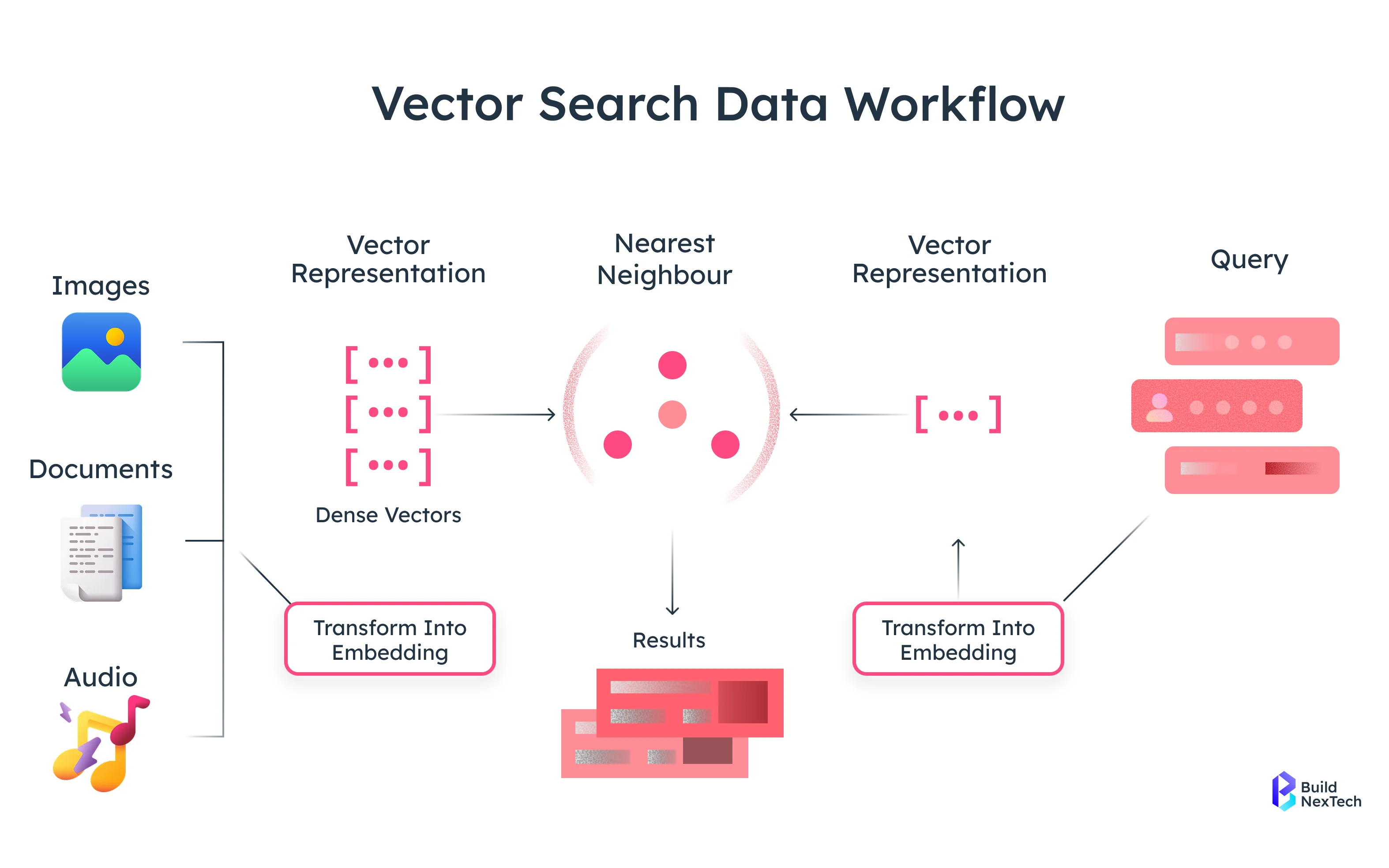
To achieve this, Airbnb uses embedding models, which convert user and listing attributes into vector representations that map similarity. These embeddings help predict which listings a particular user is most likely to book, drastically improving conversion performance.
Airbnb’s vector search workflow converts listings, user queries, and preferences into embeddings. These embeddings are stored in a vector database, allowing Airbnb to compare similarity instead of relying only on keywords. When a user searches, the system matches their query with the closest vectors, returning more accurate, context-aware listing results that feel natural and personalized.
The Airbnb Booking Engine Explained
How the Booking Engine Works
Once a guest selects a listing and proceeds to book, Airbnb’s booking engine takes control. This system manages the entire transaction, ensuring smooth coordination between availability checks, pricing verification, payment processing, and confirmation.
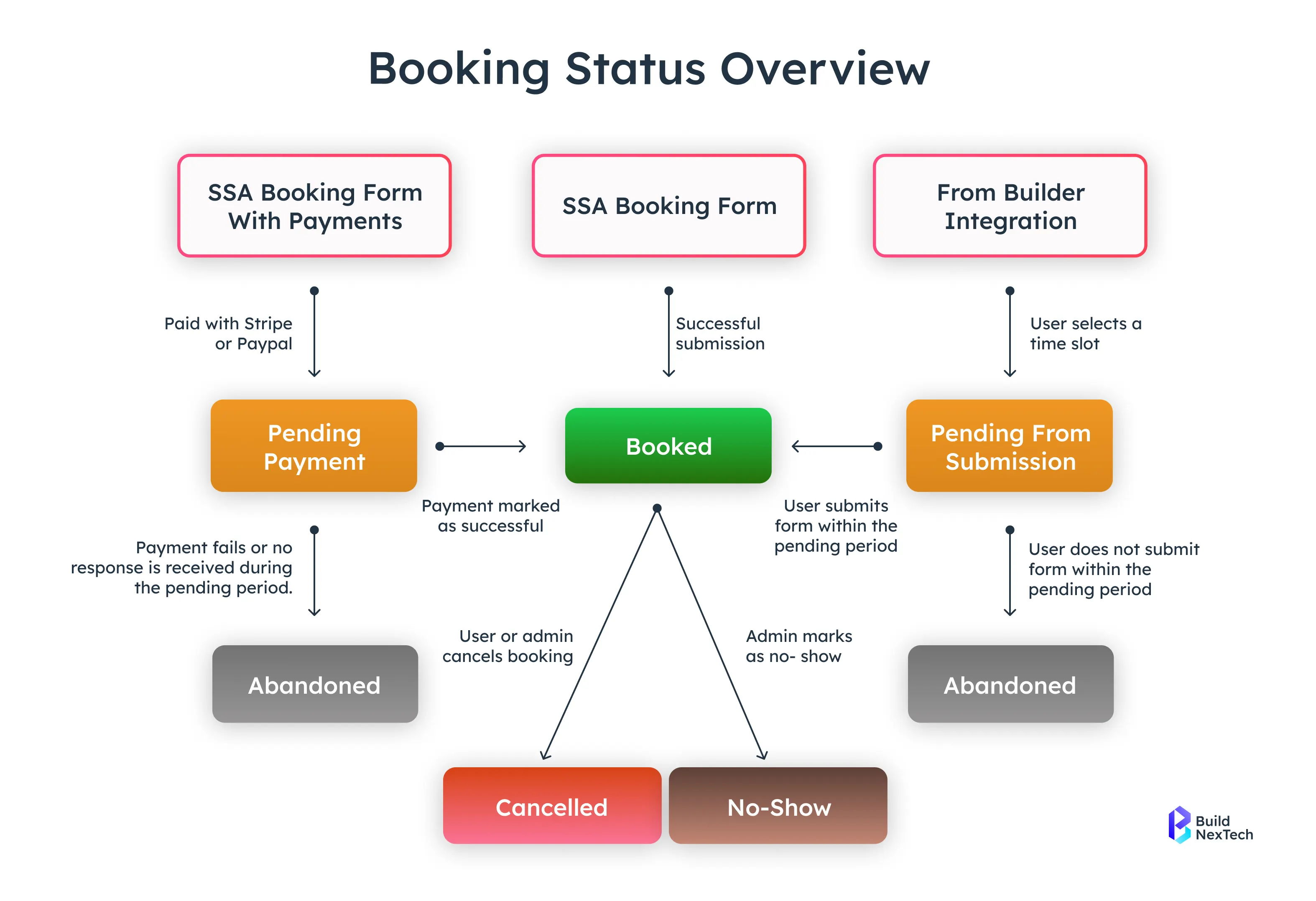
The simplified booking journey includes:
- The guest selects dates and sends a booking request or uses Instant Book
- The booking engine validates availability from the calendar system
- The final price, cleaning fees, service fees, and taxes are confirmed
- Host approval or instant confirmation
- Secure payment processing and identity verification
- Automated notifications & itinerary creation
- Calendar syncs in real time
The booking engine integrates with a range of services such as messaging, payments, fraud detection, calendar systems, and dispute management, all operating under a microservices architecture on AWS.
Integration with the Search Algorithm
The booking engine and search algorithm work in synergy. For example:
- Listings with high acceptance rates and Instant Book availability rank higher.
- Conversion rate data from the booking process becomes feedback for search ranking improvements.
- Abandoned checkout data indicates friction points and informs algorithm refinement.
- Pricing success feeds Smart Pricing recommendations.
This integration ensures that the system prioritizes listings with higher guest satisfaction and booking probability, improving the platform’s overall success.
User Experience and Interface Design
UX/UI significantly influences booking behavior. Airbnb continuously A/B tests everything from button placement to pricing layout. Travel UX research indicates:
- 70%+ dropout occurs if booking takes more than 3 steps
- High-quality photography can boost booking conversions by up to 20%
- Transparent breakdown reduces abandonment by 15-18%
The booking engine is optimized to minimize friction, maximizing both conversions and ranking strength.
Airbnb’s Pricing Algorithm
Introduction to Dynamic Pricing Models
Unlike traditional fixed pricing, Airbnb uses dynamic pricing models that automatically adjust suggested nightly rates based on real-time marketplace conditions. This system allows hosts to optimize occupancy and revenue during changing demand cycles.
Dynamic pricing considers:
- Seasonal travel patterns
- Local events such as festivals, conferences, and sporting events
- Competitor listing activity
- Weekday vs weekend variations
- Guest demand trends
- Weather conditions and disruptions
This model ensures fair pricing for guests and better earnings for hosts.
Understanding Airbnb’s Smart Pricing
Smart Pricing is an Airbnb feature powered by machine learning, which suggests optimal price adjustments every day based on demand signals. Hosts control minimum and maximum price boundaries, while the platform recommends rates designed to maximize booking chances.
Smart Pricing analyzes:
- Market booking trends
- Local event calendars
- Listing popularity metrics
- Review performance
- Occupancy patterns
- Similar listing pricing benchmarks
Although completely optional, hosts adopting Smart Pricing frequently see measurable improvements in ranking and revenue.
Case Study: Understanding How Smart Pricing Works
To demonstrate how dynamic pricing improves booking performance, here is a simplified workflow of how Airbnb’s Smart Pricing system evaluates market signals and adjusts nightly rates in real time.
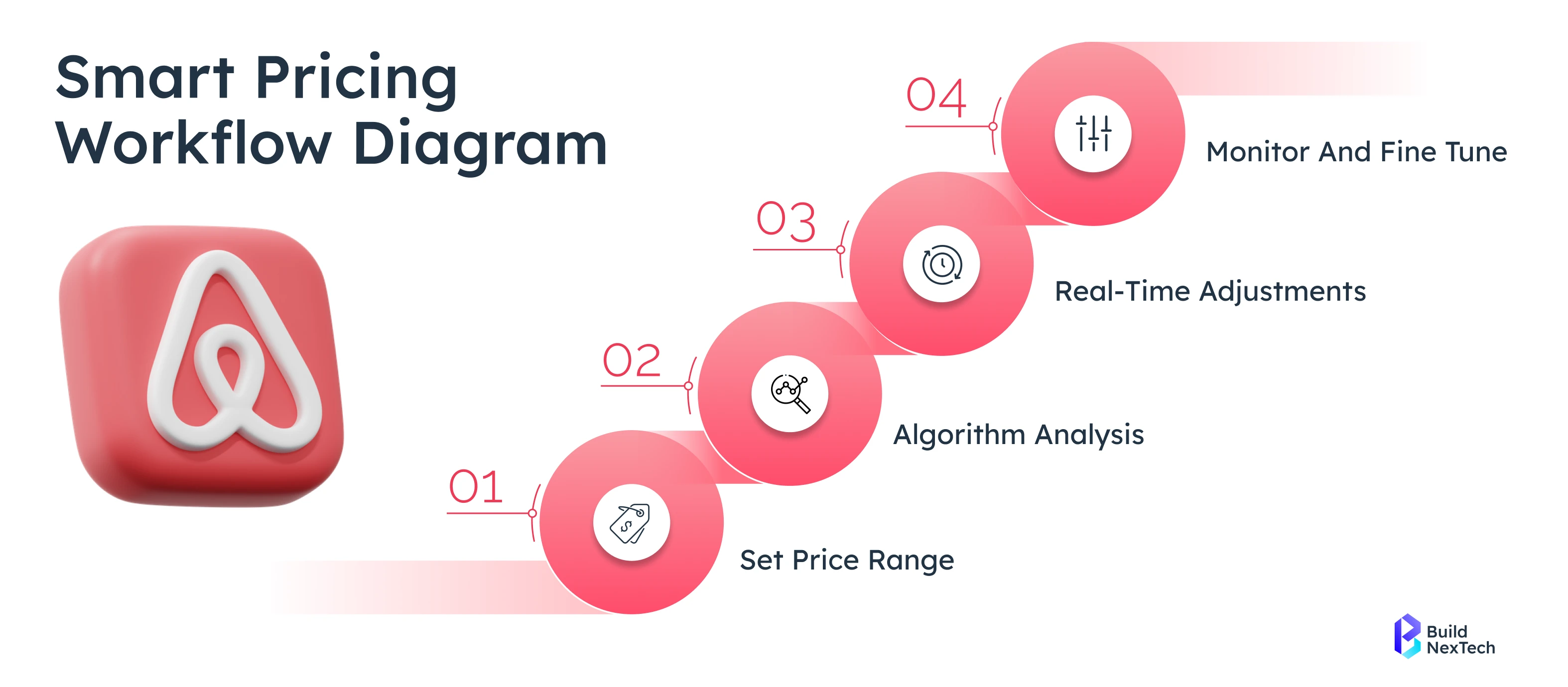
Smart Pricing Workflow
The Smart Pricing system considers multiple data signals such as demand changes, seasonality, nearby event spikes, competitor pricing, user engagement behavior, booking probability, and listing quality metrics. This analysis helps the algorithm recommend the most competitive nightly rate with the highest likelihood of conversion.
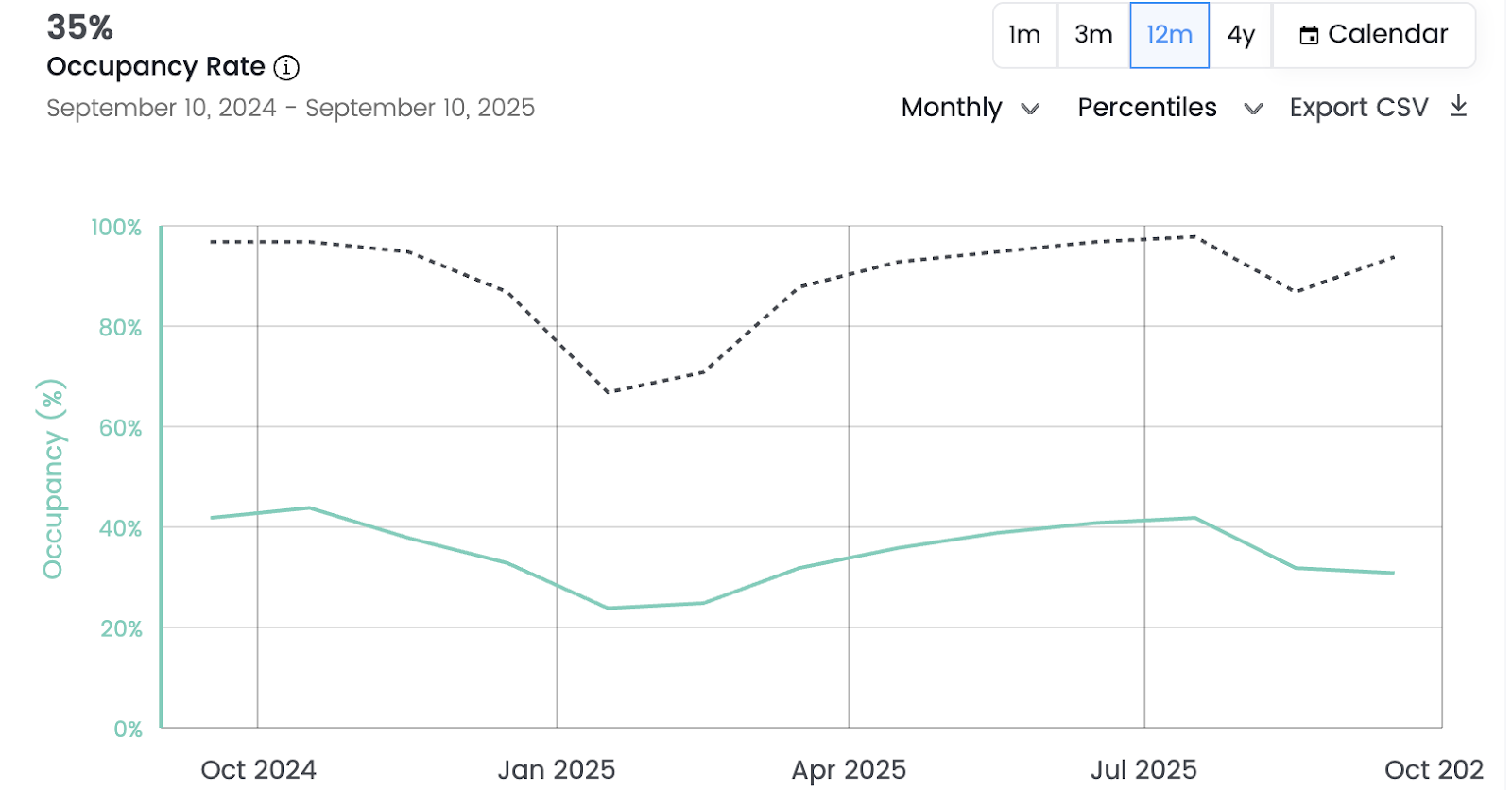
Challenges Before Smart Pricing
- Low booking rates during weekdays and off-season
- Difficulty competing against similar nearby listings
- Manual pricing changes driven by guesswork
- Reduced visibility after declining booking conversions
Implementation
The host activated Smart Pricing, setting limits between $85 and $165. The system automatically adjusted nightly rates based on demand signals, competitor changes, event spikes, and listing engagement metrics.
Results After 90 Days
Key Drivers Behind Improvement
- Strong event-based premium pricing
- Better visibility due to improved conversions
- Higher guest engagement behavior signals
- Reduced search ranking friction
Key Takeaway
Smart pricing not only increases revenue but also enhances search ranking and listing visibility, creating a positive cycle of growth.
Impact of External Factors on Pricing
Pricing continually shifts based on:
- Tourism surges
- Public holidays
- International expos, sports events, concerts
- Travel disruptions and regulatory changes
- Hotel pricing fluctuations
During events such as New Year’s Eve, host occupancy pressure can generate dramatic spikes in recommended pricing.
The Role of Machine Learning in Airbnb’s Algorithms
Machine Learning Models Used in Search and Pricing
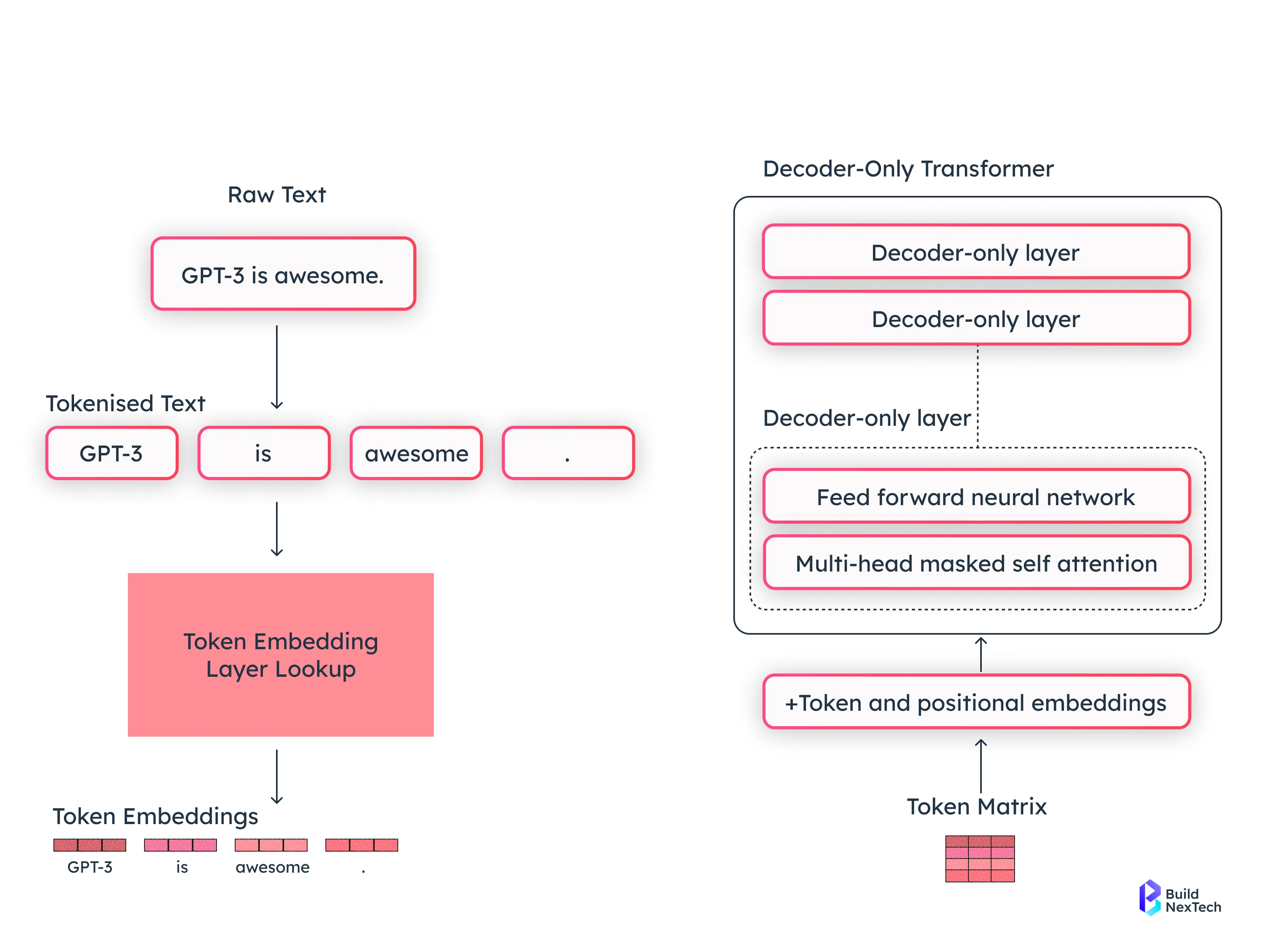
Airbnb uses a variety of ML models to optimize ranking, recommendations, pricing, prediction accuracy, and fraud detection:
These continuously learn from real-time interactions across millions of users.
Predictive Analytics and User Behavior
Predictive analytics helps Airbnb:
- Forecast travel demand patterns
- Improve pricing accuracy
- Predict the probability of booking for each listing
- Identify conversion issues early
- Personalize recommendations for both hosts and guests
Analytics also enable market forecasting and revenue prediction guidance.
Continuous Learning and Algorithm Refinement
Airbnb’s system constantly evolves using live learning feedback loops. Changes in ranking or pricing reflect:
- User satisfaction metrics
- AB testing results
- Demand and regional economic conditions
- Review sentiment analysis
- Conversion analytics
Hosts must maintain consistent performance to protect ranking value.
Future Trends in Airbnb’s Search & Booking Technology
Emerging Technologies Shaping the Industry
Airbnb is experimenting with:
- Generative AI for listing content creation - enabling automated, high-quality descriptions, image enhancements, and optimized property storytelling to improve listing engagement.
- Virtual and augmented reality tours - allowing guests to preview spaces immersively before booking, improving trust, and reducing uncertainty or cancellations.
- Advanced real-time recommendation engines - delivering highly personalized property suggestions based on behavior patterns, preferences, and contextual signals.
- Blockchain-based identity verification - enhancing safety and transparency through secure record validation and tamper-resistant digital identity tracking.
- Voice-assisted travel search experiences - enabling faster, hands-free search and booking through natural language interactions across smart devices.
User Expectations and Industry Shifts
Modern travelers demand:
- Personalization over generic listings
- Transparent and fair pricing
- Faster and frictionless booking
- Verified and trustworthy profiles
- Sustainable communities and ethical practices
Platforms that adapt quickly will dominate future travel ecosystems.
Sustainability and Ethical Considerations
Airbnb is increasingly prioritizing:
- Eco-friendly stays and green certifications - encouraging hosts to adopt sustainable practices, renewable resources, and verified environmental standards to reduce ecological impact.
- Carbon footprint measurement - helping hosts and travelers understand emissions associated with travel and accommodation, supporting transparent tracking and reduction efforts.
- Authentic community support - strengthening local economies by promoting community-based stays, fair economic participation, and culturally respectful travel experiences.
- Responsible pricing and anti-bias ML controls - ensuring fair pricing recommendations, preventing discriminatory outcomes in search ranking, and maintaining transparency in machine-learning decisions.
Ethics in AI and data processing remains a central focus.
Conclusion
The combination of potent data science and machine learning, dynamic pricing, and a smooth booking experience is what made Airbnb successful. The Airbnb search algorithm guarantees a personalized search, the booking engine eliminates friction when it comes to decision-making, and the pricing algorithm enables the host to maximize revenue, but not outperform their competitors.
As the platform is constantly being enhanced with the help of improved algorithms and new technologies influencing the development of the platform, Airbnb will continue to be one of the leaders in online travel.
Knowledge of these mechanisms allows the hosts to enhance ranking and profitability, and allows guests to get better value and experiences. With the intensification of innovation, personalization, intelligent automation, and ethical decision-making based on data will determine the future of travel technologies.
People Also Ask

What are the main factors that influence Airbnb’s search ranking?
Location, reviews, pricing competitiveness, listing quality, response rate, Instant Book, and user engagement signals.
How does Airbnb prevent fraud and ensure secure transactions?
Airbnb uses identity verification, behavioral risk analysis, device fingerprinting, and machine learning–based fraud detection models to monitor suspicious activity and protect both hosts and guests throughout the booking and payment process.
How does Airbnb handle disputes or booking issues between guests and hosts?
Airbnb’s Resolution Center allows users to submit claims, provide evidence, and request refunds or reimbursements. The platform mediates disputes, evaluates documentation, and may issue partial or full compensation based on policy and case assessment.
How does personalization affect Airbnb search results?
Search results are customized based on behavior patterns, search history, and booking likelihood, improving conversion rates.
Can hosts influence listing ranking?
Yes, maintaining excellent reviews, fast responses, competitive pricing, Instant Book, and high-quality photos improves ranking performance.


.webp)
.webp)
.webp)

.webp)
.webp)